
Memorandum
- From
- Connor Quincy
- Date
- Filed
- News·4 min to read
- Re
Aerodiana Confirms 13 Dead in Tourist Plane Crash Near Peru's Nazca Lines
ReAerodiana Confirms 13 Dead in Tourist Plane Crash Near Peru's Nazca Lines
A tourist plane operated by Aerodiana crashed just outside Nazca, Peru, killing all 13 people on board, the airline said. Eleven of the victims were European tourists on a sightseeing flight over the Nazca Lines.
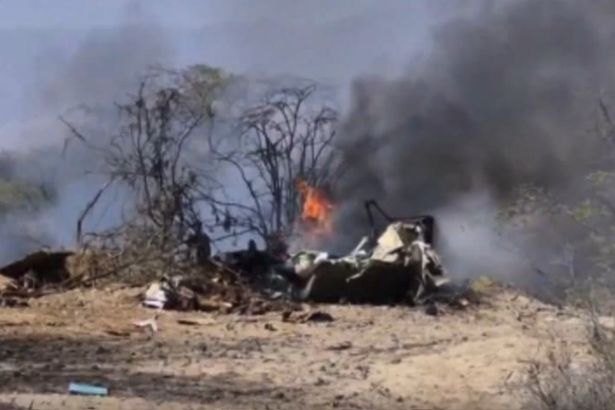
A tourist plane crashed just outside the Peruvian city of Nazca on a sightseeing flight over the country's famous Nazca Lines, killing all 13 people on board, the airline that operated the aircraft confirmed. Aerodiana said it had extended its «heartfelt condolences» to the families of those who died. The aircraft went down while carrying passengers on a viewing trip over the ancient desert geoglyphs, one of Peru's most visited attractions.
Eleven of those killed were European tourists, according to reports, while the other two people on board are believed to have been crew members. The airline did not immediately provide a breakdown of the victims' nationalities or identities. The flight was a viewing trip over the Nazca Lines, the enormous drawings etched into the desert floor that are best appreciated from the air.
The Nazca Lines, designated a UNESCO World Heritage site in 1994, stretch across hundreds of square miles of arid plateau in southern Peru. Archaeologists believe the geoglyphs were created by the Nazca culture between 500 BC and AD 500, and researchers think they were made by removing dark, iron-oxide-coated stones to expose the lighter soil beneath. The figures include hummingbirds, monkeys, spiders, lizards and a wide range of geometric shapes that extend for miles across the desert. The site was added to the UNESCO list in recognition of its outstanding universal value, and it remains one of the most studied archaeological landscapes in the Americas.
Nazca, a city in southern Peru's Ica region, is the main departure point for flights over the lines. Sightseeing operations in the area typically use small aircraft that carry a handful of passengers on short routes above the plateau. These flights have long been one of the most popular ways for visitors to see the designs, and the Nazca Lines are among the biggest attractions for travelers in southern Peru.
The purpose of the lines has been debated for decades. Some researchers have linked the geoglyphs to water and fertility rituals, while others have interpreted them as astronomical markers or processional pathways. What is beyond dispute is their scale: some figures stretch for hundreds of yards and can only be recognized in full from above, which is why aerial sightseeing became the standard way to experience them.
The cause of the crash was not immediately known, and Aerodiana's statement was its first public response to the disaster. The carrier said its thoughts were with the families and friends of the victims and described the loss of life as a tragedy. It released no additional information about the circumstances of the accident or the identities of those on board.
With most of the dead reported to be European tourists, the crash drew attention well beyond Peru, although authorities had not yet officially confirmed the nationalities of those killed. Aerodiana's brief announcement gave no indication of when more information might be released, leaving relatives and the public with few details about the final flight of the aircraft. The crash underscored how central the sightseeing flights are to the experience of visiting the Nazca Lines, a destination that draws travelers from around the world.