Memorandum
- From
- Derek Weston via Fortune | FORTUNE
- Date
- Filed
- Economy·5 min to read
- Re
Mark Cuban Says Healthcare Costs, Not AI, Are the Real Job Killer
ReMark Cuban Says Healthcare Costs, Not AI, Are the Real Job Killer
Billionaire entrepreneur Mark Cuban argues that rising healthcare costs pose a greater threat to American jobs than artificial intelligence, pointing to $5.3 trillion in annual U.S. health spending and employer surveys showing the largest premium increases in decades.
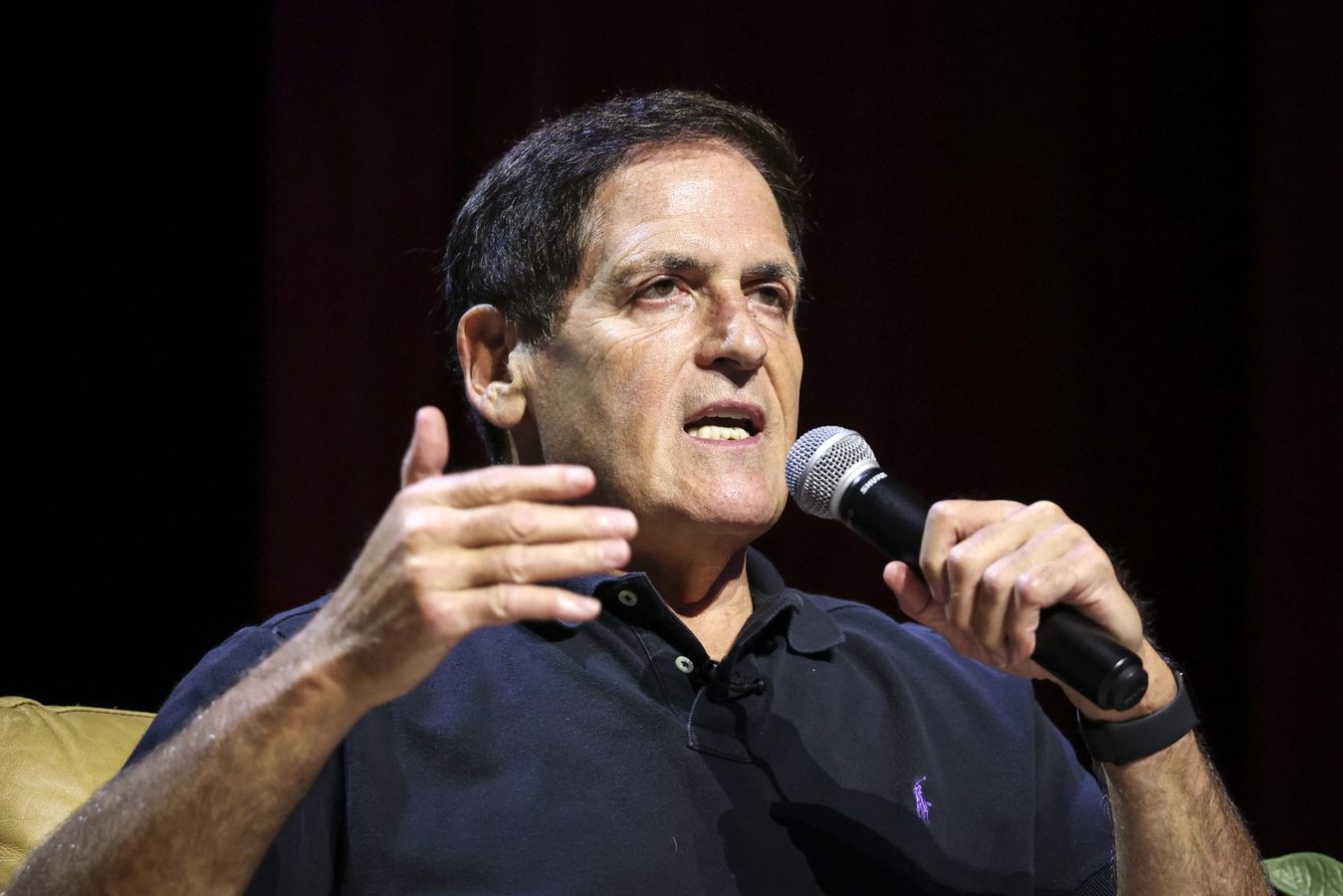
Billionaire entrepreneur Mark Cuban is pushing back against the prevailing narrative that artificial intelligence is the primary threat to American jobs, arguing instead that skyrocketing healthcare costs are already driving layoffs and hiring freezes across the country.
In a post on X, Cuban wrote: «I hope people realize that for the foreseeable future, the cost of healthcare benefits will get more people fired, or not hired, than AI.» The comment reflects his deepening involvement in healthcare economics since founding the online discount pharmacy Cost Plus Drugs in 2022.
The numbers behind his argument are substantial. According to the Centers for Medicare & Medicaid Services, U.S. healthcare spending reached $5.3 trillion in 2024, representing about 18% of GDP. That figure is more than double the $2.5 trillion spent in 2000. Per person, the U.S. spent $14,775 in 2024, more than double the $7,860 spent in other high-income countries, even as some studies indicate Americans use less care on average.
Employers are feeling the squeeze directly. A Mercer survey of more than 1,800 employers found that healthcare costs have risen every year for the past five years. Mercer estimates costs per employee could jump 8.2% in 2027, the largest increase since 2003. Nearly half of large U.S. employers with 500 or more employees expect to modify their medical plans next year, often by raising deductibles or copays, which shifts more expenses onto workers.
But workers may also bear the cost through job losses. A 2024 paper from Yale's Tobin Center for Economic Policy found that a 1% increase in healthcare prices translates to roughly a 0.4% decrease in payroll and employment at employers outside the health sector. «Rather than cutting wages, employers respond to increases in insurance premiums by cutting the number of workers they employ,» the paper stated.
The causes of rising healthcare costs are multifaceted. Increased labor costs, new technology, and pricier treatments like GLP-1 drugs all contribute. Experts also point to deeper structural factors, including hospital consolidation and rising administrative costs.
Cuban has argued that healthcare is «usually the 2nd largest expense after payroll» for companies, calling that reality «insane.» In a March post, he noted that rising healthcare costs amount to $30,000 per family for premiums and care, a figure close to the average annual premium for family coverage, which reached $26,993 in 2025 according to KFF's Employer Health Benefits Survey. Most of that cost is borne by employers, but Cuban emphasized that companies must also invest in overhead to manage these expenses.
He has previously called for federal action, expressing support for the Break Up Big Medicine Act sponsored by Sen. Elizabeth Warren (D-Mass.) and Sen. Josh Hawley (R-Mo.). The bill would prohibit certain forms of vertical integration in healthcare by preventing insurers, pharmacy benefit managers, and major drug or medical-device wholesalers from owning certain medical providers. It has been referred to the Senate Judiciary Committee and has not passed.
Meanwhile, fears over AI-driven job displacement continue to surge. A McKinsey Global Institute study found that 11 million workers, about 7% of the workforce, may need to find new jobs as some occupations decline, though McKinsey maintains AI could ultimately create more jobs than it eliminates. As of last month, the Budget Lab at Yale found no «clear evidence of labor market disruption associated with AI,» noting that occupational churn has continued along pre-AI trends.
Despite that, companies have increasingly cited AI as a reason for layoffs. AI was the leading reason cited for layoffs this year, appearing in 21% of all layoff announcements year-to-date, according to Challenger, Gray & Christmas.
Cuban argues that the focus on AI obscures a more immediate problem. «It's far easier to blame AI than it is to blame Healthcare costs,» he wrote. With employer healthcare costs projected to rise at their fastest pace in more than two decades, his warning suggests the labor market may face pressure from an older, more familiar source than the newest wave of automation.
4