
Memorandum
- From
- Connor Quincy via fox - Opinion
- Date
- Filed
- Economy·3 min to read
- Re
Europe's unrest over unpaid bills offers a warning for America
ReEurope's unrest over unpaid bills offers a warning for America
Protests across France, Italy and Belgium over living costs, wages and public services raise questions about whether similar financial strain is building in the United States, according to a Fox News opinion piece by Ted Jenkin.
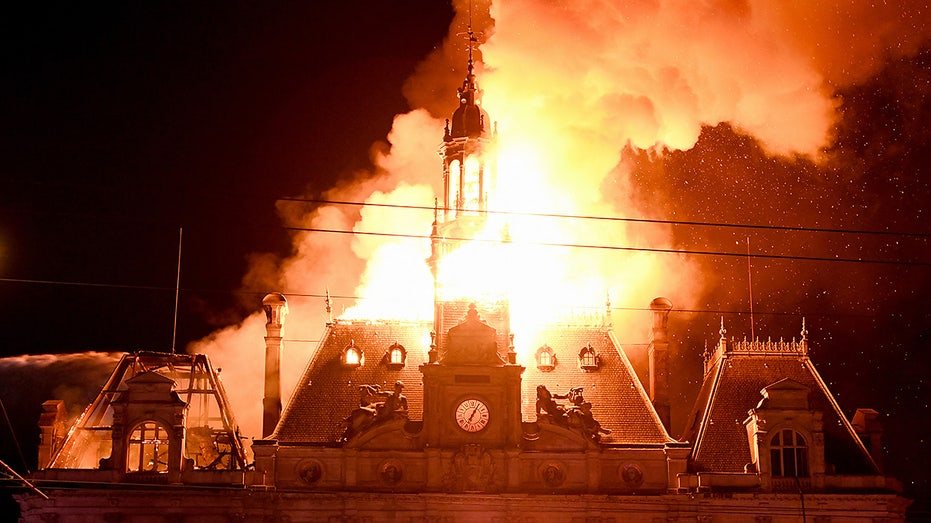
Street protests over the cost of living have returned across Europe, and columnist Ted Jenkin argues that the common thread is simple: ordinary people cannot keep up with their bills. In an opinion piece published by Fox News, Jenkin contends that the United States should take notice before similar pressures take hold at home.
Jenkin points to France, where renewed street protests have focused on living costs, public services and public finances. In Italy, tens of thousands of workers and students have demonstrated over wages and housing costs. Italian Prime Minister Giorgia Meloni condemned the violent elements of those protests, describing them as « gangs of thugs ». In Brussels, anti-austerity demonstrations escalated into clashes with police. Jenkin also draws a historical parallel to 1789, when a march over bread prices in Versailles helped set the stage for the French Revolution.
The central claim of the column is that falling inflation has not translated into relief at the checkout. Jenkin notes that US inflation has dropped from about 8 percent to about 3 percent, but argues that this decline does not reduce grocery bills, which remain higher than before the price surge. He says insurance premiums, property taxes, utility costs and rent are rising faster than many paychecks. Families, in his account, are increasingly relying on credit cards and buy-now-pay-later plans to cover emergencies.
Jenkin also raises the federal debt, which he says has crossed $40 trillion. He argues that interest payments on that debt compete with spending on services and other priorities, reducing the room available for households and public programs. The question he asks his readers to consider is how much income remains after essential household expenses are paid.
The column is an opinion piece and does not present new polling or primary data to support its conclusions. Its argument rests on the examples of European unrest and on the broader observation that household budgets feel strained even as headline inflation eases.
A related development in Argentina adds a different angle on public spending. PBS NewsHour reported that Pope Leo visited a care home in Argentina for people with disabilities and renewed a call to protect vulnerable people. The report said Argentina's city of charity has been hit hard by austerity measures introduced by President Javier Milei, and that the cuts have reportedly severely affected healthcare and social services. Taken together with the European protests, the reports illustrate how spending decisions by governments are being felt directly in daily life, from household bills to care for the most vulnerable.
6

Source: TED JENKIN: Europe is burning because people can't pay their bills. America should pay attention