
Memorandum
- From
- Connor Quincy via Fast Company
- Date
- Filed
- Economy·4 min to read
- Re
Chicago Fed president warns of most dangerous inflation environment in years
ReChicago Fed president warns of most dangerous inflation environment in years
Austan Goolsbee says tariffs, wars, and six years above the 2% target make the current inflation environment the most dangerous he has seen, even as the economy looks stable.
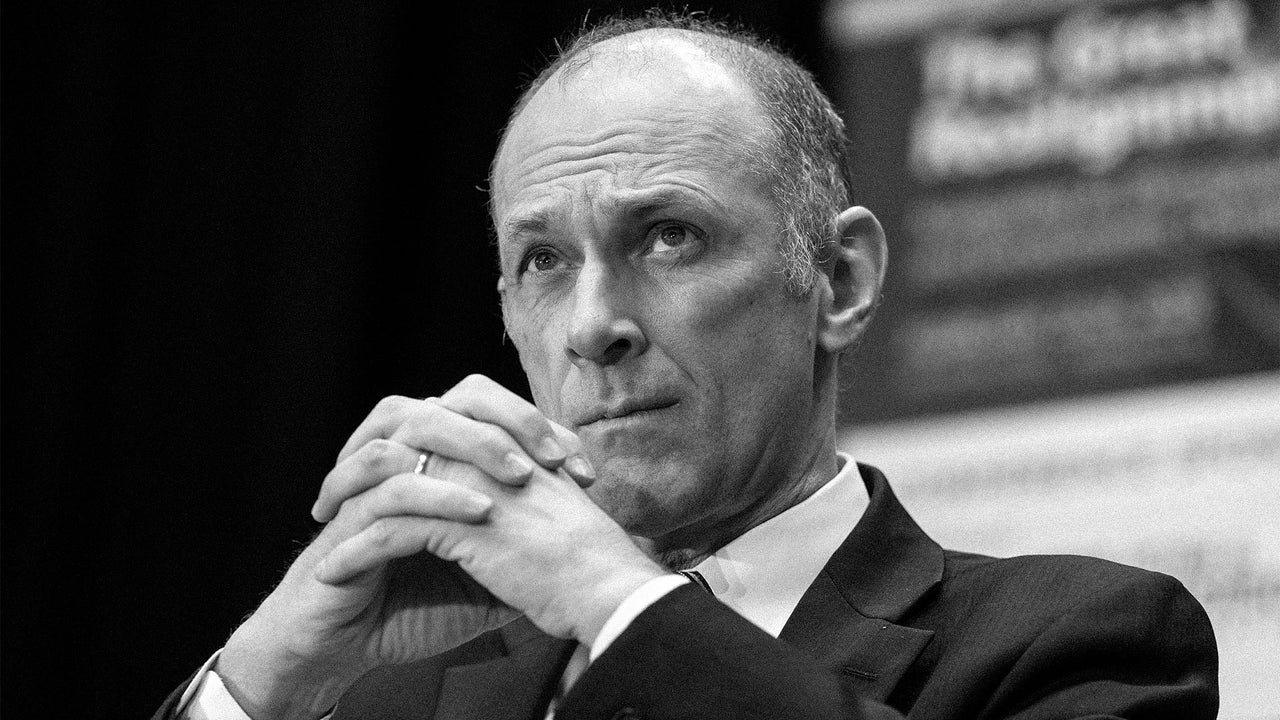
The U.S. economy looks stable on the surface, but the president of the Federal Reserve Bank of Chicago says the combination of tariffs, overseas conflicts, and six years of inflation above the central bank's 2% target has created the most dangerous inflation environment he has witnessed. Austan Goolsbee, speaking ahead of the Fed's annual Jackson Hole symposium in Wyoming, described the current moment as one where price pressures could easily become entrenched if consumers and businesses come to expect persistent inflation.
Goolsbee acknowledged that the economy remains strong and that the job market is sending mixed signals. But he pointed to a series of shocks that are pushing prices upward: new tariff rounds, war in the Middle East, rising oil prices, computer chip shortages, and competition over data center construction for artificial intelligence. The central bank's job, he said, is to determine whether these are one-time price increases or persistent inflation shocks that require a stronger policy response.
«Tariffs are supposed to be a one-and-done impact on prices,» Goolsbee said in an interview with the Rapid Response podcast. «They drive up prices, but they're not supposed to keep driving up prices. But that's only true if it's one and done, not if you keep adding new ones.» He warned that if people become convinced inflation will stay elevated for an extended period, the Fed's task becomes «100 times harder.»
The Chicago Fed leader also acknowledged a failure on the central bank's own part: the Fed has now been above its official 2% inflation target for nearly six years. That prolonged overshoot, combined with fresh supply shocks, makes the current environment especially fragile. «If you start adding tariffs, wars, oil prices, computer chip shortages, competition with AI data center build out, things that are driving up the price, it's so much more salient,» he said.
Goolsbee, whose district covers the heart of the Midwest, said affordability is the number one concern he hears from constituents. Businesses report input costs are sharply higher, while farmers say they are being squeezed from both sides: they cannot sell their products for much, but their costs keep climbing, leaving margins thin. In such an environment, he said, additional shocks carry greater risk because they could trigger a self-fulfilling prophecy of rising inflation expectations.
The interview also touched on the Fed's internal dynamics under new leadership. Goolsbee noted that Chairman Kevin Warsh has been impatient with the central bank's practice of forward guidance, the explicit communication about where interest rates are likely headed. «Let's not tie our hands,» Goolsbee said, summarizing Warsh's approach. The shift could mean less clarity for markets about the Fed's future moves, even as the central bank faces the most overt political pressure in its modern history.
Goolsbee compared the Fed's decision-making to driving through traffic: sometimes changing lanes helps, sometimes it does not. «It's exciting in the worst way,» he said of the current environment. «We got wars, we got tariffs, we got a bunch of stuff that's driving up inflation.» He stressed that the Federal Reserve Act gives the central bank a simple mandate — stabilize prices and maximize employment — but that both goals are not always in harmony.
Despite the challenges, Goolsbee said the Fed's 19-member committee benefits from diverse perspectives. «We can yell at each other, get mad at each other, but my colleagues can change my views or how I interpret the data,» he said. Still, he cautioned that training and experience do not guarantee good outcomes. «You could convince yourself that inflation is temporary and then it turns out it's not.»
57