Memorandum
- From
- Caroline Mercer via Fortune | FORTUNE
- Date
- Filed
- Business·5 min to read
- Re
Walmart Pricing Patents Raise Questions About How Retailers Use Shopper Data
ReWalmart Pricing Patents Raise Questions About How Retailers Use Shopper Data
Walmart has patented systems that could automatically adjust markdowns and recommend prices based on demand forecasts, prompting debate over whether retailers might one day charge shoppers different prices based on personal data.
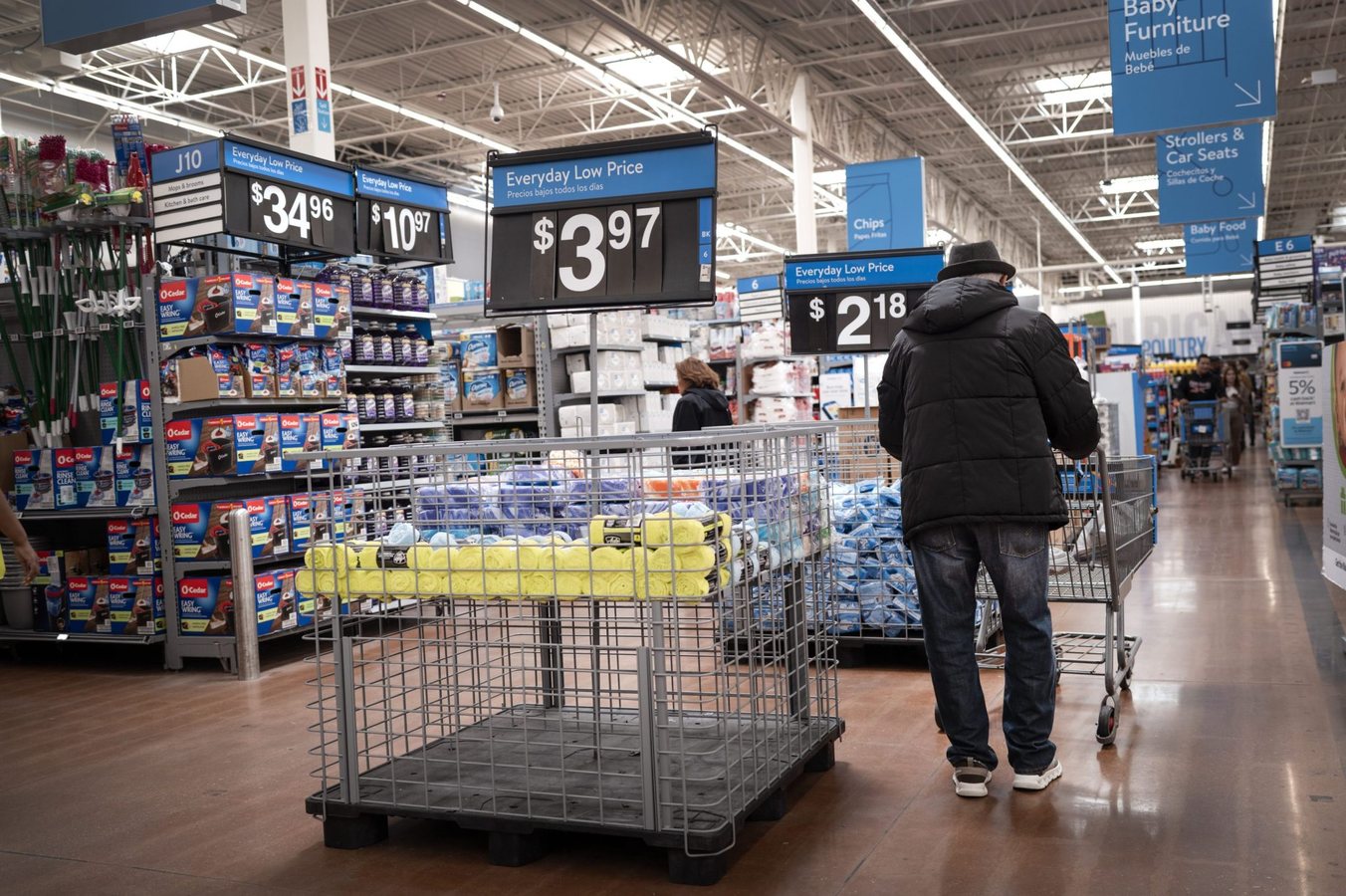
Walmart has secured patents for technology that could automatically adjust prices and recommend markdowns based on predicted demand and shopper behavior, raising questions about how retailers might use customer data in the future. The patents, granted in January and March, describe systems that could change prices on Walmart's website and forecast demand using past purchase records. The filings do not show that Walmart is currently using the technology, but they have drawn attention amid a broader national debate over surveillance pricing.
The first patent, received in January, covers a system that could automatically adjust markdowns on Walmart's website based on predicted demand and how shoppers respond to prices. A second patent, granted in March, describes using past purchases to forecast demand and recommend item prices. Its description lists purchase records that could include payment methods and customer IDs. Neither filing establishes whether Walmart has put the systems into use.
Jameson Spivack of the Future of Privacy Forum told Fortune that patents can offer clues about where a company is thinking of going, but are «not necessarily a great indicator» of what it actually intends to use. In his reading, he described Walmart's two filings more as «systems that are adjusting prices at the item level rather than at the individual level.» That distinction matters. A retailer could lower the price of an item because it expects demand to fall, with every shopper seeing the new price. Personalized pricing would mean using information about a particular shopper to decide what that exact person pays. Spivack said the Walmart filings appear to describe the former.
Jay Stanley, a senior policy analyst at the ACLU, also reviewed the filings and did not see them describing prices set for individual shoppers. Retailers have long tried to predict demand and set profitable prices, he said, like «econ 101.» What has changed, though, is how much they can learn about the people who are buying their products. Stanley pointed to loyalty programs and online shopping that make it easier for retailers to know who their customers are and track what they buy over time.
Walmart's own privacy notice says it collects purchase histories as well as information about what customers browse and search on its website and app. It also says information may be used to tailor ads, product recommendations, and promotions. Fortune has also reported Walmart uses customer data to target advertising through its growing ad business. Taken together, those details can give a retailer a picture of someone's shopping habits, including products they return to and what else might interest them.
«We have a long history of innovation, and patents are one way we protect our ideas and intellectual property,» a Walmart spokesperson told Fortune. «A patent does not mean a technology is in use today or will become a Walmart product or service. Walmart doesn't charge different prices based on a customer's personal information or purchase intent or history.»
Walmart is also replacing paper price tags with digital shelf labels, which allow employees to update store prices without changing each tag by hand. The company said in March roughly 2,300 U.S. locations had the labels and said it expected them to be chain-wide within the next year. Walmart added employees approve price changes, typically outside shopping hours, and prices are the same for everyone in a given store regardless of demand, time of day, or who is shopping. The labels do not collect information about customers, according to the company. The rollout does not establish that either patented system is being used in stores.
Stanley said the privacy concern would become more concrete if a retailer used what it knows about someone's circumstances to charge that person more. He put it more in everyday terms: For example, if a retailer knew someone had a cold, it could charge that shopper more for tissues. His dividing line is pretty straightforward: «Are they going to charge you a different price if they know who you are versus if they don't know who you are?»
4