
Memorandum
- From
- Delaney Sawyer
- Date
- Filed
- Business·5 min to read
- Re
The Metaverse Bet in One Number: $92 Billion in Reality Labs Losses
ReThe Metaverse Bet in One Number: $92 Billion in Reality Labs Losses
Meta's Reality Labs has accumulated roughly $92.2 billion in operating losses since 2020. The number does not equal pure metaverse spending, but it captures the scale of a platform bet that has yet to turn VR headsets into an everyday consumer habit.
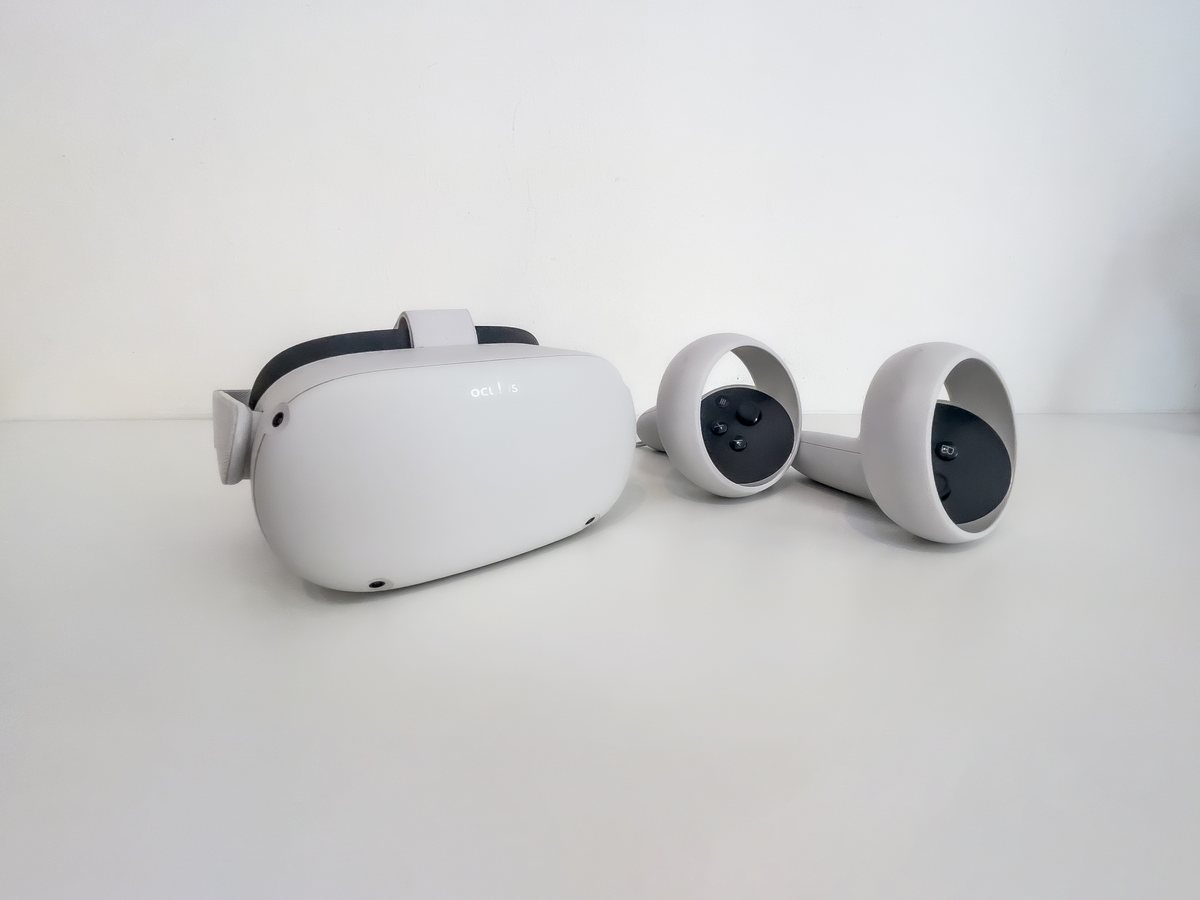
There is one number that captures both the ambition and the problem of the metaverse era: about $92.2 billion.
That is the sum of Meta's reported Reality Labs operating losses from 2020 through the first half of 2026. It includes $19.2 billion in 2025 alone and another $8.6 billion in the first six months of this year. Against those losses, Reality Labs generated $2.2 billion in revenue in 2025 and $833 million in the first half of 2026.
The number needs a guardrail. Reality Labs is broader than “the metaverse.” Meta uses the segment for virtual- and augmented-reality hardware, software and content, along with wearables and foundational technologies. Calling all $92.2 billion a failed virtual-world expense would be misleading. Calling it an unusually expensive attempt to build the next computing platform is fair.
The longer history matters because Meta did not invent this problem. Science Official's research “Why Virtual Reality Keeps Missing the Mass Market” traces the pattern across decades: early head-mounted displays, NASA experiments, Nintendo's Virtual Boy, Google's phone-based VR, Oculus, Quest and Apple Vision Pro.
Each cycle improved the technology. None turned a headset into something most people expect to use all day. Facebook acquired Oculus for about $2 billion in 2014 and argued that VR could become a new social and communications platform. In 2021 it renamed the company Meta and made the metaverse a corporate mission. That was a platform strategy, not simply a hardware launch. If Meta could own the interface after the smartphone, it could gain control over devices, software distribution, social behavior and a new layer of digital commerce.
The consumer response has been more modest than the strategic vision. IDC says traditional VR/MR headset shipments continued to decline in 2025 even as the broader XR category grew 44.4%. That growth came mainly from smart glasses. Quest headset shipments fell 42.3% year over year, according to IDC.
Apple's Vision Pro demonstrates why superior execution does not automatically change the demand equation. The current M5 model starts at $3,499. It weighs about 750 to 800 grams before counting a separate 353-gram battery. Apple has improved comfort with a counterweighted strap, but the device still asks a user to wear substantial hardware on the face.
That creates a simple substitution problem. A consumer deciding whether to use VR is rarely choosing between two headsets. The real alternatives are a phone already in the pocket, a television already on the wall and a laptop already on the desk. The headset must create enough additional value to overcome price, physical effort, social awkwardness and a smaller software universe.
Research on adoption matches that economic logic. A 2024 systematic review of 158 studies found recurring roles for ease of use, enjoyment, social influence, prior experience and consumer attitudes. Human-factors research separately finds that cybersickness, weight and balance still matter. The addressable market expands only when the benefit rises faster than all those forms of friction.
This helps explain the industry's current pivot. IDC forecasts about 13.6 million display-less smart glasses in 2026 compared with roughly 3.2 million mixed-reality devices. Wearable computing is not disappearing. It is moving toward a form that is lighter, socially legible and easier to keep on.
For Meta, that may turn the meaning of Reality Labs upside down. The eventual return on the investment might not come from convincing billions of people to spend their days inside a metaverse. It may come from sensors, AI, optics and wearable interfaces that escape the headset altogether.
The $92.2 billion figure is therefore neither proof that all the research was wasted nor evidence that the original platform thesis worked. It is the price tag on an unresolved question: can Meta turn a decade of immersive-computing investment into a product ordinary people use without thinking about immersion at all?
60