Memorandum
- From
- Connor Quincy via Carscoops
- Date
- Filed
- Business·4 min to read
- Re
Maserati Turns to Huawei and JAC for Electric Revival
ReMaserati Turns to Huawei and JAC for Electric Revival
Maserati has finalized a partnership with China's Huawei and JAC to co-develop two electric models, as the Italian brand seeks to recover from its worst sales year in over a decade.
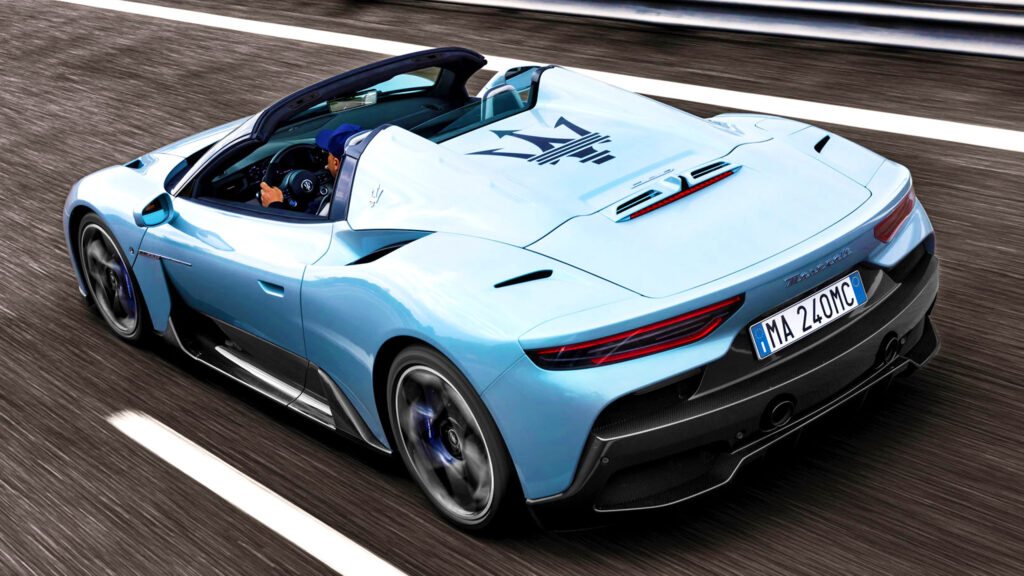
Maserati has finalized a partnership with Chinese technology giant Huawei and automaker JAC to co-develop two new electric vehicles, a move that could determine the struggling Italian brand's long-term future. The deal, reported by Chinese industry sources, will produce a mid-to-large electric SUV and an all-electric GT, with the vehicles marketed in China under the Maextro name and sold overseas as Maseratis.
The partnership marks an unusual turn for a brand long associated with Italian luxury and performance. Under the arrangement, JAC Motors will handle vehicle engineering and manufacturing at the same facility where it currently builds Maextro models. Huawei will supply its Harmony Intelligent Mobility Alliance platform, which includes the Qiankun autonomous driving system, electric powertrain technology, and an intelligent cockpit setup. Maserati's role will focus on design and sales.
To address concerns about Chinese manufacturing, final assembly will take place in Italy. JAC will reportedly produce only the body-in-white at its factory before those structures are exported to Italy for completion. The two new models are expected to target buyers in the Middle East, Italy, France, and Germany. The SUV is positioned as an alternative to the current Maserati Grecale Folgore, while the GT will complement the GranTurismo Folgore.
The tie-up follows months of speculation. Rumors of a potential cooperation involving Maserati, Huawei, and JAC first surfaced in May, but discussions were then described as being in their early stages. The deal has now reportedly been agreed, though neither Maserati nor its parent company Stellantis has issued a formal confirmation.
The urgency behind the partnership is clear. Maserati sold just 7,900 vehicles in the 2025 fiscal year, a steep decline from 11,300 units in the previous year and the brand's worst performance since the early 2010s. That collapse has left the future of the marque uncertain, and the collaboration with Huawei and JAC is being viewed as a potential lifeline.
For Maserati loyalists, the idea of models engineered and partly built in China may be difficult to accept. But the arrangement is structured to preserve a significant Italian role, with design work and final assembly remaining in Italy. The company has not yet announced a timeline for the launch of the two vehicles or detailed pricing.
The partnership also reflects a broader trend among European automakers turning to Chinese partners for electric vehicle technology and manufacturing scale. Huawei's HIMA platform has become a key asset for several Chinese brands, while JAC has expanded its production capacity through collaborations with established manufacturers. For Maserati, the gamble is whether a Chinese-backed electric lineup can restore sales volume without eroding the exclusivity that defines the brand.
If the reported plan proceeds, the first model to arrive would be the electric SUV, followed by the GT. Both would be sold through Maserati's existing dealer network in the targeted markets. The success of the venture will likely depend on whether buyers accept a Maserati that shares its underlying technology with vehicles built in China — a question that will shape not only the brand's future but also the wider strategy of its parent company.