Memorandum
- From
- Caroline Mercer via Fortune | FORTUNE
- Date
- Filed
- Business·5 min to read
- Re
Iran war exposes cracks in the petrodollar system that anchored US trade
ReIran war exposes cracks in the petrodollar system that anchored US trade
The war in Iran has put a spotlight on the petrodollar, the arrangement that has long underpinned the dollar's dominance, as Gulf states and China move toward alternatives.
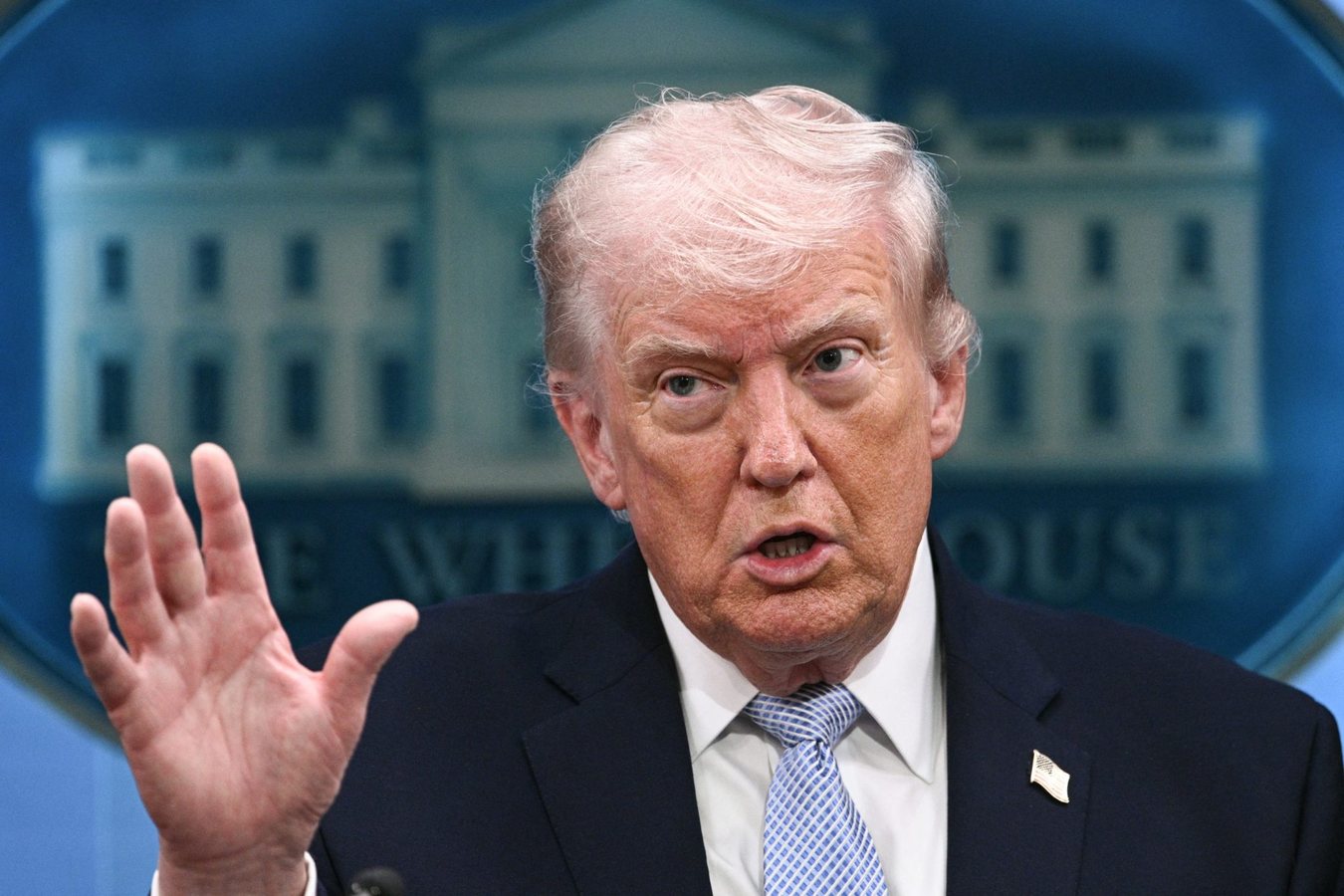
The U.S. dollar's dominance over global oil trade, long secured by an arrangement known as the petrodollar system, is facing its sharpest test in decades as the war involving Iran disrupts shipping and sharpens questions about how much of the world still depends on the greenback. Economists say the system has been eroding at its edges for years, and the conflict has made those cracks harder to ignore.
The petrodollar traces back to a 1974 arrangement negotiated between the United States and Saudi Arabia, in which the Gulf kingdom agreed to sell oil in U.S. dollars in exchange for military aid and security guarantees. The deal followed the end of the gold standard in 1971 and the 1973 oil crisis, at a time when the Nixon administration was looking to secure global demand for the dollar and strengthen America's own oil supply chain. Because oil is fundamental to nearly every industry, the arrangement helped make the dollar the cornerstone of the global economy. Oil-exporting countries accumulated dollar reserves and invested them in U.S. Treasuries, while countries buying oil paid in greenbacks.
That architecture has had lasting effects. Saudi Arabia, Qatar, Oman, Bahrain and the United Arab Emirates require an estimated $800 billion in supporting reserves because their currencies are pegged to the dollar, according to the figures cited in the reporting. Gulf Cooperation Council sovereign wealth funds have more than $2 trillion invested in U.S. assets. Those ties explain why any weakening of the petrodollar draws close attention in Washington and in financial markets.
The current conflict has tested that system directly. After the first U.S. and Israeli attacks on Iran, Tehran effectively closed the Strait of Hormuz, a waterway through which about 20 percent of the global oil supply passes. Industry experts said some vessels were able to transit the strait by paying in Chinese yuan, although U.S. forces are now facilitating more crossings through the corridor. The episode illustrates how trade flows in the region can shift currencies under pressure.
Analysts argue that Gulf countries had been diversifying their trade partners well before the current fighting. Michael Harris, an analyst at EBC Financial Group, wrote in a note that the dollar's share of global foreign exchange reserves has fallen to a 25-year low, dropping from 71 percent in 1999 to roughly 57 percent today. Harris has also pointed to China as the main beneficiary of any move away from the dollar. China has displaced the United States as Saudi Arabia's largest oil customer, and Harris wrote that the economic pull now points toward the yuan while the formal currency arrangement still points toward the dollar.
Saudi Arabia did not formally renew its commitment to pricing oil exclusively in dollars in 2024, though the 1974 agreement was never a formal obligation and its secretive nature leaves open questions about whether it translated into binding policy. The kingdom has nonetheless taken steps to broaden its financial relationships. In 2023, Saudi Arabia and China signed a $7 billion currency swap agreement, and the Saudi central bank participates in mBridge, a digital payment platform that allows direct currency exchanges through blockchain technology. Analysts say most Saudi transactions with China are still conducted in dollars, but the door to alternatives is now open.
The erosion predates the current war. After the United States and other countries imposed sanctions on Russia in the early 2010s following its annexation of Crimea, Moscow began reducing its dependence on the dollar and agreed with China to a currency swap worth 150 billion yuan, or about $25 billion. Iran has sold oil to China for decades, but the relationship deepened after the United States reimposed sanctions in 2018 and 2019. China now accounts for about 90 percent of Iran's exported oil, according to the reporting.
David Wight, a historian at the University of North Carolina at Greensboro, said Iran has long sold much of its oil in yuan to avoid tying itself to the United States and to evade sanctions, and that China is the primary buyer. Deutsche Bank economists had earlier warned that the attacks on Iran could strengthen its ties to China and bolster the yuan at the expense of the dollar. In a note to clients, they said reports that Strait of Hormuz passage might be granted in exchange for yuan-denominated oil payments should be watched closely, adding that the conflict could be remembered as a key turning point.
50